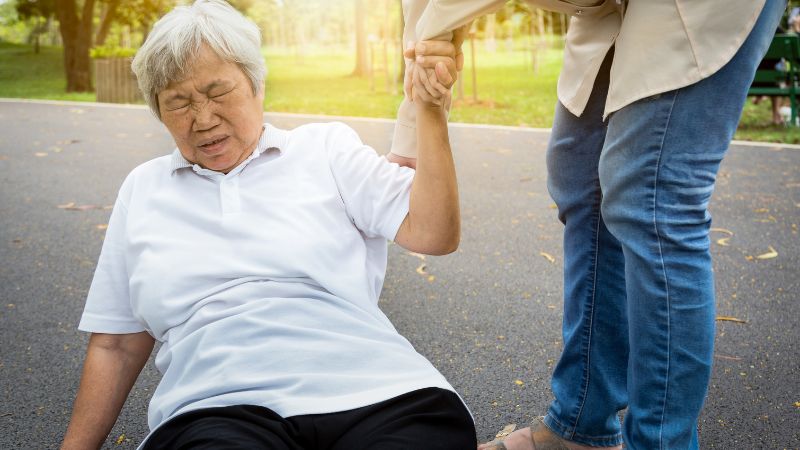
Elderly Fall -Most Common Reason
•Impaired vision. Cataracts and glaucoma alter depth perception, visual acuity, peripheral vision and susceptibility to glare. …
•Home hazards. Most homes are full of falling hazards. …
•Medication. …
•Weakness, low balance. …
•Chronic conditions.
Impaired Vision
Age-related eye diseases make it difficult, if not impossible, to detect fall hazards, such as steps, puddles and thresholds. Even if a senior is in top physical condition, failing to see and accurately perceive obstacles or changes in ground level can lead to a nasty tumble. Refusing to follow physician recommendations for treatment, including wearing eyeglasses and using necessary low vision equipment can contribute to falls as well
Home Hazards/ environmental factors
The majority of falls occur in or around seniors’ homes. Environmental factors, such as poor lighting, clutter, areas of disrepair, loose carpets, slick floors and lack of safety equipment (e.g., grab bars, ramps, lifts), can jeopardize a senior’s safety.
Medication Side Effects
•A wide variety of medications increase a senior’s fall risk. Side-effects, such as drowsiness, dizziness and low blood pressure, can all contribute to an accident. Sedatives, antidepressants, antipsychotics, opioids and some cardiovascular drugs are the most common culprits. A study of polypharmacy in older adults found that 39 percent of this age group takes five or more prescription medications. Polypharmacy increases the risk of adverse drug reactions and drug-related falls.
•Also OTC and supplements
Weakness and Poor Balance
Many adults become less active as they get older, which exacerbates the physical effects of aging. Failure to engage in even mild exercise on a regular basis results in reduced muscle mass and strength (sarcopenia), decreased bone mass, poor balance and coordination, and reduced flexibility
Chronic Diseases
•Health conditions like Parkinson’s disease, Alzheimer’s disease, Dementia, Arthritis, that affect balance, physical strength, joint integrity and/or cognitive function contribute to falls.
•Stroke, Peripheral neuropathy, or nerve damage, can cause numbness in the feet, making it very difficult for a senior to sense environmental hazards and get around safely.
•Cardiac conditions like Arrythmias can increase risk of falling
More than half of all elderly falls occur in the home. The most common site of falls is bedroom mainly getting into or out of bed, which accounts for approximately one-third of these home falls. Other home sites include change in surface or lighting (12%); bathroom (10%); kitchen (10%); living room (8%); utility room (5%).
Obviously, this is very important! However, if you want to help prevent future elderly falls, it’s also important to make sure the ENT doctors have checked on all the things that could have contributed to the fall.